Description
Hydroxypropyl Methylcellulose (HPMC) has become an essential functional additive in modern putty powder formulations. For manufacturers and construction professionals seeking high-performance wall surface preparation solutions, understanding how HPMC enables smooth application and crack resistance is fundamental to achieving flawless, durable finishes that withstand the test of time.
Putty powder is a surface preparation material used for filling, leveling, and repairing wall and ceiling surfaces prior to painting or wallpapering. Typically formulated from cement or lime-based binders combined with fillers such as calcium carbonate, putty powder creates a smooth, even substrate that enhances the final decorative finish.
The quality of putty powder is critical—it directly affects adhesion, workability, and long-term durability. Poorly formulated putty can lead to cracking, peeling, powdering, and surface imperfections that compromise the entire finishing system.
HPMC is a nonionic cellulose ether derived from natural cellulose through alkalization and etherification processes. Its molecular structure contains hydrophilic hydroxyl groups and hydrophobic hydrocarbon groups, giving it excellent water solubility and stability. As a multifunctional additive, HPMC serves as a thickener, water-retaining agent, binder, and rheology modifier in building materials.
In putty powder formulations, HPMC governs two critical performance parameters: water retention (which determines adhesion to the substrate and workability window) and viscosity/thixotropy (which governs ease of application and anti-sagging on vertical walls).
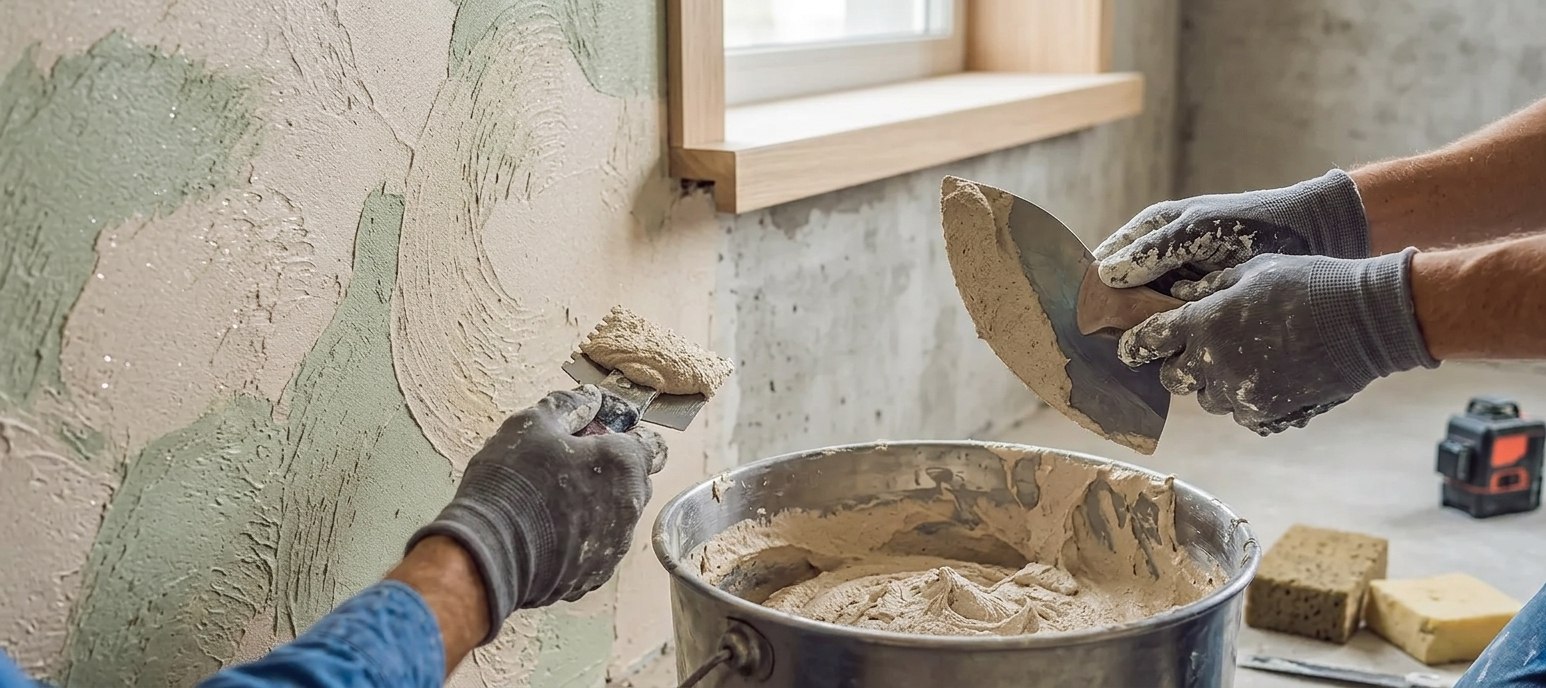
Smoothness refers to both the subjective "feel" of the putty during application and the objective quality of the finished surface. A smooth putty feels buttery, offers minimal resistance to the trowel, and levels out seamlessly without tearing or dragging. HPMC achieves this through several mechanisms:
HPMC modifies the rheological properties of putty slurry, making it easier for construction workers to perform scraping and smoothing operations. The polymer creates a colloidal network that provides body and structure while allowing for easy shearing during troweling.
The Viscosity Balance is critical here. A common mistake is using an excessively high viscosity HPMC grade. While high viscosity provides good water retention, it can make the putty thick, sticky, and "heavy" on the trowel, causing drag that makes it difficult to achieve a thin, smooth film. For hand-trowel application, medium-viscosity HPMC (e.g., 40,000–60,000 mPa·s) is often ideal—it provides a robust colloidal network for water retention while allowing for easy shearing and excellent leveling.
HPMC provides lubrication through its molecular structure, improving slurry rheology and giving the putty an "oily" feel that reduces troweling resistance. This lubrication effect:
Reduces friction between the putty and trowel
Enables effortless spreading
Produces a streak-free, uniform film
The result is increased work efficiency—studies indicate that HPMC can improve work efficiency by at least 40% compared to formulations without proper rheology control.
HPMC imparts thixotropic behavior—the putty becomes less viscous under shear stress (during troweling) and returns to a higher viscosity when the stress is removed. This ensures the material:
Spreads easily during application
Maintains its position without sagging on vertical surfaces
Provides consistent coverage without excessive flow
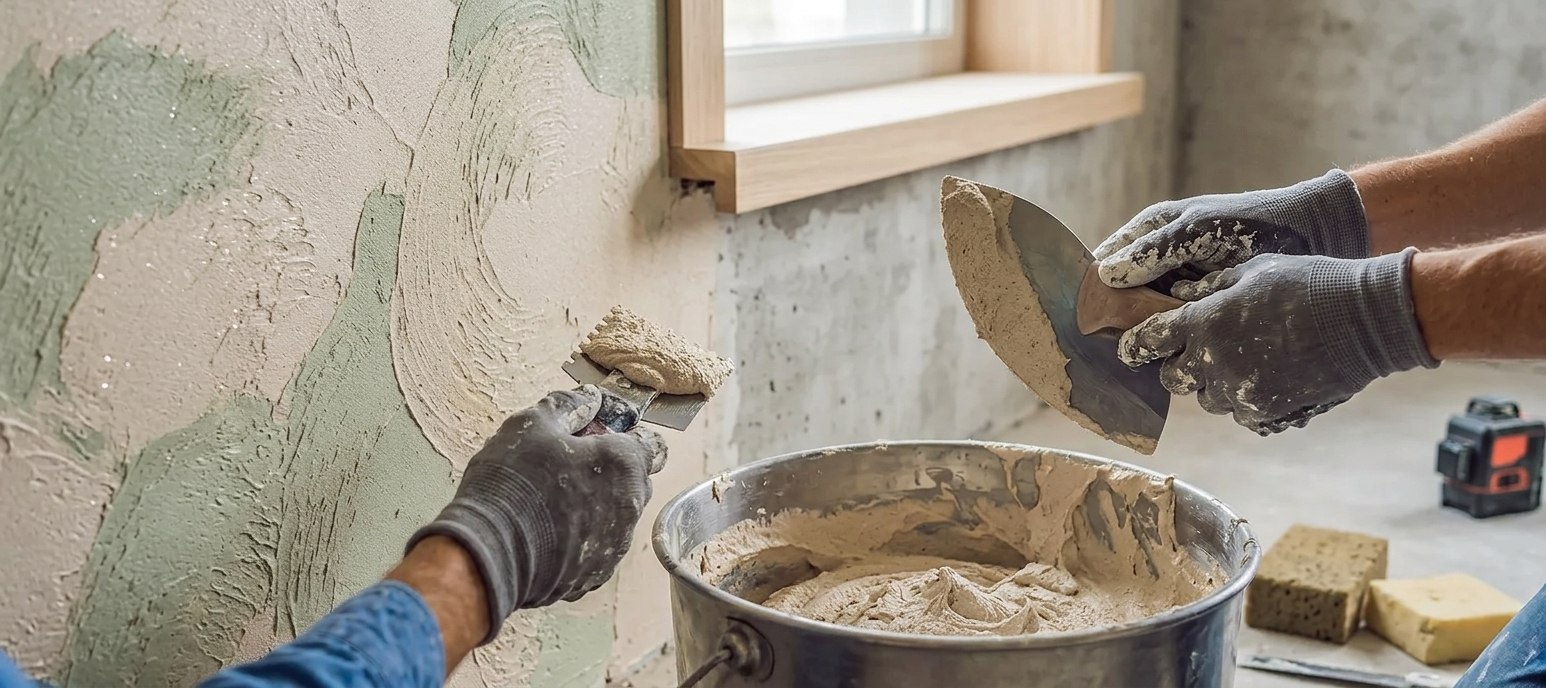
Cracking in putty powder can occur due to several factors: rapid water loss, shrinkage during drying, temperature changes, and improper hydration of binders. HPMC addresses these challenges through multiple mechanisms:
The most effective way to combat cracking is to ensure water remains in the putty long enough for the cementitious binder to fully hydrate and lock the matrix in place. HPMC's strong water retention capacity forms a water-retention film in the putty, slowing down the evaporation rate of water.
Since rapid water evaporation causes plastic shrinkage, HPMC's water retention effect:
Effectively reduces early-stage shrinkage
Keeps internal water sufficient for complete cement hydration
Reduces shrinkage cracks caused by water loss during the drying process
High-performance HPMC grades can achieve water retention values of ≥97%, ensuring the putty maintains adequate moisture throughout the curing process.
HPMC effectively controls early moisture loss and reduces plastic shrinkage cracks. Research shows that when HPMC dosage reaches 0.2% of the formulation, the crack index can be reduced to 50% of that of formulations without HPMC.
HPMC molecules can enhance flexibility in cement-based materials, giving the cured putty better tensile and bending resistance. This improved flexibility allows the material to better absorb external stress and avoid brittle cracking. As HPMC dosage increases, the flexural strength ratio decreases, indicating increased flexibility—particularly important for exterior wall applications subject to temperature fluctuations.
In cement-based materials, the hydration reaction rate directly affects performance. If hydration is too rapid, internal stress cannot be released in time, resulting in cracks. HPMC appropriately slows down the hydration reaction rate through its water retention and protective film-forming properties, preventing premature water loss and avoiding spontaneous shrinkage and cracking during the hardening process.
During the curing process, HPMC forms a dense network structure between cement, water, and other ingredients. This microstructure:
Has low water vapor transmission rate, blocking moisture penetration
Reduces porosity of the cured putty
Improves mechanical strength and wear resistance
| Benefit | How HPMC Delivers |
|---|---|
| Smooth Application | Lubrication and optimal rheology reduce troweling resistance |
| Crack Prevention | Water retention prevents plastic shrinkage cracking |
| Enhanced Adhesion | Improved bonding strength between putty and substrate |
| Anti-Sagging | Thixotropic behavior keeps putty in place on vertical surfaces |
| Extended Open Time | Slower drying provides more working time |
| Reduced Shrinkage | Controlled drying minimizes volume changes |
| Weather Resistance | Maintains performance under varying humidity and temperature |
| Improved Surface Finish | Uniform, streak-free film ready for painting or wallpapering |
For putty powder applications, the selection of HPMC grade depends on the specific formulation and application requirements:
| Application Type | Recommended Viscosity | Recommended Dosage |
|---|---|---|
| Interior Wall Putty (hand trowel) | 40,000 – 60,000 mPa·s | 0.2 – 0.5% of dry mix |
| Interior Wall Putty (machine spray) | 70,000 – 100,000 mPa·s | 3 – 5 kg per ton |
| Exterior Wall Putty | 60,000 – 100,000 mPa·s | 0.3 – 0.6% of dry mix |
| Crack Repair / Flexible Putty | 100,000 – 150,000 mPa·s | 0.4 – 0.6% of dry mix |
Key considerations when selecting HPMC:
Viscosity: Low-viscosity grades improve leveling; high-viscosity grades enhance anti-sagging properties
Surface Treatment: Delayed dissolution surface treatment is preferred for dry bag pre-blending to ensure even dispersion
Compatibility: Ensure HPMC works synergistically with other additives like starch ether for optimal lubrication
To achieve exceptional, buttery smoothness, HPMC should be used in concert with a dedicated lubricant. Hydroxypropyl Starch Ether is an ideal partner—added in small quantities (0.1%–0.3%), starch ether does not significantly increase viscosity but imparts remarkable slipperiness and wet feel, drastically reducing friction between the putty and trowel.
A rough, sandy surface can indicate incomplete cement hydration. If water is lost too quickly to the substrate, unhydrated cement and filler particles remain on the surface, creating a weak and gritty finish. High-quality HPMC with high water retention ensures complete hydration, contributing to a harder, denser, and inherently smoother surface.
Overly high viscosity makes the putty sticky and difficult to trowel
Insufficient dosage leads to poor water retention and inadequate open time
Incomplete dispersion causes lumps and inconsistent performance
Incompatible additives may interfere with HPMC performance
Consistent product quality is essential for maintaining customer trust and meeting industry standards. Key quality parameters to monitor include:
Water retention value—ensures consistent hydration and workability
Viscosity stability—maintains batch-to-batch performance consistency
Dispersion uniformity—prevents lumps and ensures even properties
Setting time—ensures adequate open time for application
Final surface quality—verifies smoothness and absence of cracking
Regular testing and adherence to stringent quality control protocols are essential for producing putty powders that consistently meet performance expectations across different application conditions.
HPMC is an indispensable additive for achieving high-performance putty powder. Its ability to deliver smooth application and crack resistance—along with enhanced water retention, extended open time, improved adhesion, and anti-sagging properties—makes it invaluable for professional wall surface preparation.
For putty powder manufacturers, selecting the right HPMC grade and optimizing dosage based on specific application requirements is key to delivering consistent, reliable products that meet industry standards. Whether formulating interior wall putty for a smooth paint-ready finish or exterior wall putty requiring weather resistance and durability, the thoughtful incorporation of HPMC directly contributes to the final product's success in the field.
By understanding and leveraging the full capabilities of HPMC—from its lubrication effect that enables effortless application to its water-retention mechanism that prevents cracking—manufacturers can produce putty powders that consistently meet the growing expectations of quality and performance in modern construction applications.