Masonry mortar is the material that binds bricks, blocks, and stones into a unified structural system. It must be workable enough for efficient laying, strong enough to transfer loads, and durable enough to withstand decades of exposure. While cement, sand, and water form the basic composition, modern masonry mortar relies on carefully selected additives to achieve consistent performance. Among these additives, cellulose ether — most commonly HPMC (Hydroxypropyl Methyl Cellulose) — plays a central role.
Cellulose ether is a water-soluble polymer derived from natural cellulose. When added to masonry mortar at dosages typically ranging from 0.05% to 0.2% by weight of the dry mix, it transforms the fresh and hardened properties of the mortar. It improves water retention, workability, adhesion, and durability in ways that would be difficult to achieve with cement and sand alone.
This article provides a comprehensive technical guide to cellulose ether in masonry mortar. It explains the benefits, the underlying mechanisms, and practical formulation tips for producers who want to optimize their masonry mortar products.
Cellulose ether is a family of water-soluble polymers produced by chemically modifying natural cellulose. The most widely used cellulose ether in construction is HPMC, followed by other grades such as methyl cellulose and hydroxyethyl cellulose. In masonry mortar, HPMC is preferred for its excellent water retention, workability, and compatibility with cement systems.
Key properties of cellulose ether for masonry mortar:
| Property | Typical Value |
|---|---|
| Appearance | White to off-white powder |
| Moisture content | ≤ 5% |
| pH (1% solution) | 5.0 – 8.0 |
| Particle size | 80 – 200 mesh |
| Viscosity (2%, 20°C) | 40,000 – 200,000 mPa·s |
| Solubility | Soluble in cold water |
Cellulose ether dissolves in the mixing water to form a three-dimensional polymer network. This network interacts with water, cement particles, and aggregates to modify the rheology and curing behavior of the mortar.
Water retention is the most important function of cellulose ether in masonry mortar. Fresh mortar loses water through evaporation and absorption by the masonry units. If water is lost too quickly, cement cannot fully hydrate, leading to weak strength and poor adhesion.
Cellulose ether forms a polymer network that traps water and releases it slowly. This ensures that sufficient moisture remains available for cement hydration, even when the mortar is applied to highly absorbent substrates such as lightweight blocks or dry bricks.
Practical benefits:
Complete cement hydration and strength development
Reduced risk of premature drying and crumbling
Consistent performance across different masonry units
Masonry mortar must be easy to spread, butter, and tool. Cellulose ether improves workability by increasing viscosity and yield stress, giving the mortar a smooth, creamy consistency that is easy to handle.
Practical benefits:
Faster bricklaying and block laying
Reduced material waste from droppings and spillage
Consistent consistency throughout the working period
Better filling of joints and cavities
Adhesion between mortar and masonry units is critical for structural integrity. Cellulose ether improves adhesion by retaining water at the mortar-unit interface, promoting complete cement hydration at the bonding zone.
Practical benefits:
Stronger bond between mortar and brick or block
Reduced risk of debonding and cracking
Improved resistance to water penetration
Without cellulose ether, masonry mortar can segregate, with water rising to the surface (bleeding) and heavier particles settling. Cellulose ether prevents segregation by increasing the cohesion of the fresh mix.
Practical benefits:
Uniform mortar consistency
Reduced water pockets and weak zones
Better surface finish
By promoting complete cement hydration and reducing cracking, cellulose ether contributes to the long-term durability of masonry mortar.
Practical benefits:
Improved freeze-thaw resistance
Reduced water penetration
Longer service life
For vertical and overhead applications, cellulose ether provides the yield stress needed to prevent mortar from sagging or dripping.
Practical benefits:
Cleaner application on vertical surfaces
Reduced material waste
Better joint filling
Understanding the mechanism helps formulators select the right grade and dosage.
When cellulose ether powder is added to water, the particles hydrate and swell, then dissolve. The polymer chains entangle to form a three-dimensional network that increases viscosity and traps water.
The polymer network physically holds water and reduces its mobility. Cellulose ether also adsorbs onto the surface of cement and sand particles, forming a film that reduces water loss to the substrate.
Cellulose ether increases both viscosity and yield stress. Yield stress is particularly important for anti-sag and non-drip performance. Higher viscosity grades generally provide better water retention but may reduce flowability.
Cellulose ether can entrain air in fresh mortar, which improves workability and freeze-thaw resistance but can reduce strength if excessive. Formulators should balance air content with strength requirements.
Cellulose ether solutions gel at elevated temperatures. In hot climates, selecting a grade with a higher gelation temperature prevents premature gelation and maintains workability.
Not all cellulose ether grades are suitable for masonry mortar. The right choice depends on the application, substrate, climate, and performance requirements.
| Viscosity Range (2%, 20°C) | Typical Application in Masonry Mortar |
|---|---|
| Low (10,000 – 40,000 mPa·s) | Thin-bed mortar, fine joint mortar |
| Medium (40,000 – 100,000 mPa·s) | General masonry mortar, block laying |
| High (100,000 – 200,000 mPa·s) | High water retention, absorbent substrates |
Medium viscosity grades are most commonly used in masonry mortar. High viscosity grades are preferred for highly absorbent substrates and hot climates.
Masonry unit type — brick, block, stone, or lightweight block
Substrate absorption — highly absorbent units require higher water retention
Climate — hot climates require higher water retention and gelation temperature
Application method — trowel, machine, or spray
Performance requirements — strength, durability, and appearance
Typical cellulose ether dosage in masonry mortar:
| Application | Dosage (% of dry mix) |
|---|---|
| General masonry mortar | 0.05% – 0.1% |
| High-performance masonry mortar | 0.1% – 0.2% |
| Absorbent substrates | 0.1% – 0.2% |
Dosage should be optimized through laboratory testing to balance performance and cost.

A typical masonry mortar formulation includes:
Cement (OPC or blended)
Sand (graded, clean)
Lime (optional, for workability)
Cellulose ether
Other additives (air entrainer, retarder, water repellent)
| Component | Function |
|---|---|
| Cement | Binder |
| Sand | Filler and aggregate |
| Lime | Workability and plasticity |
| Cellulose ether | Water retention, workability, adhesion |
| Air entrainer | Freeze-thaw resistance |
| Retarder | Extended working time |
| Water repellent | Reduced water absorption |
Cellulose ether dosage should be optimized based on:
Water retention requirement — higher dosage for absorbent substrates
Workability requirement — higher dosage for improved spreading
Strength requirement — excessive dosage may reduce strength
Cost — cellulose ether is a significant cost component
Proper mixing is essential for cellulose ether performance:
Dry blend cellulose ether with cement and sand before adding water
Add water gradually while mixing
Mix for sufficient time to ensure complete dissolution
Allow the mortar to rest before use if required
| Issue | Possible Cause | Solution |
|---|---|---|
| Poor water retention | Low cellulose ether dosage | Increase dosage or select higher viscosity grade |
| Segregation and bleeding | Low cohesion | Increase cellulose ether dosage |
| Slow dissolution | Coarse particle size | Use finer powder or improve mixing |
| Excessive air | High cellulose ether dosage | Reduce dosage or add defoamer |
| Reduced strength | High air content | Reduce cellulose ether dosage or add defoamer |
| Sagging on vertical surface | Low yield stress | Increase dosage or use higher viscosity grade |
Consistent cellulose ether quality is essential for stable masonry mortar production. Key quality parameters include:
| Parameter | Test Method | Importance |
|---|---|---|
| Viscosity | Brookfield viscometer | Determines water retention and workability |
| Moisture | Oven drying | Affects storage stability |
| Particle size | Sieve analysis | Influences dissolution speed |
| Ash content | Muffle furnace | Indicates purity |
| pH | pH meter | Compatibility with cement systems |
Consistent batch-to-batch quality ensures that mortar producers can maintain stable formulations without constant adjustment.
Cellulose ether should be stored in a cool, dry place away from direct sunlight and moisture.
Storage recommendations:
Keep bags sealed when not in use
Store on pallets away from walls and floor
Avoid high humidity
Use within shelf life (typically 12–24 months)
Protect from heat and direct sunlight
Handling:
Use dust masks and gloves
Avoid generating dust
Clean spills promptly
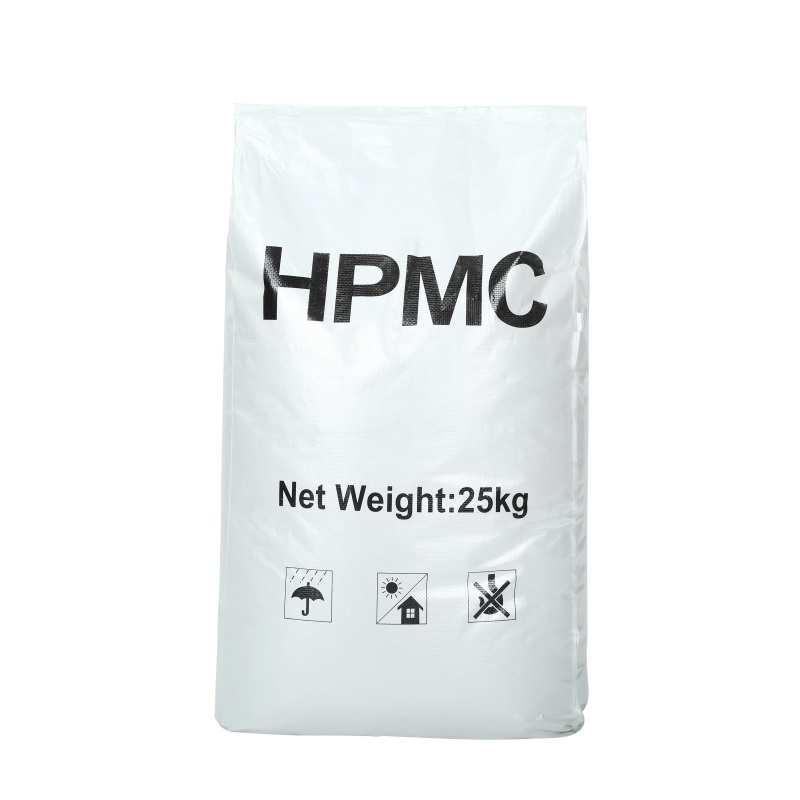
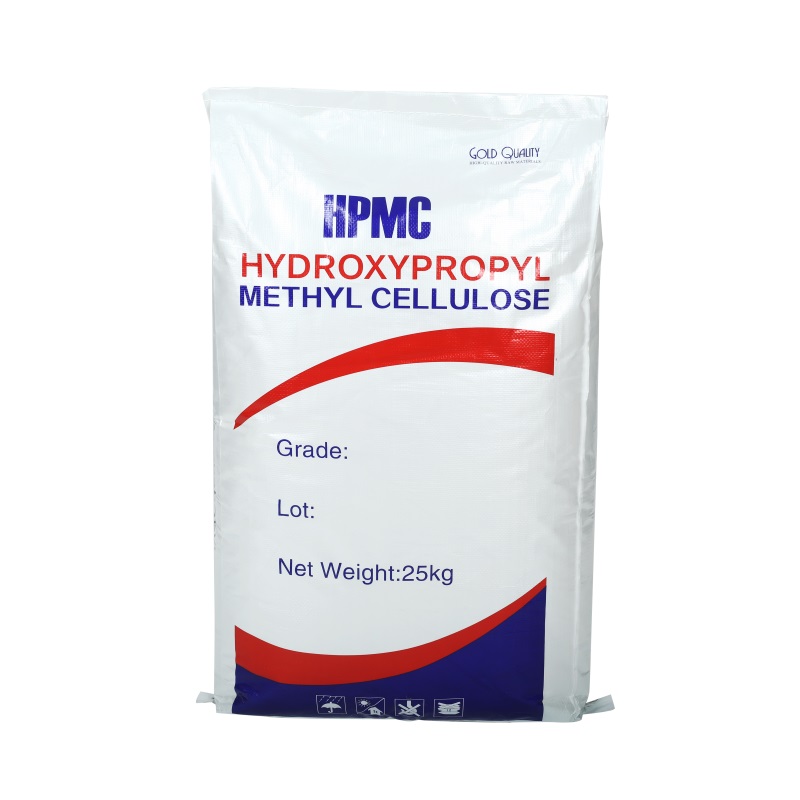
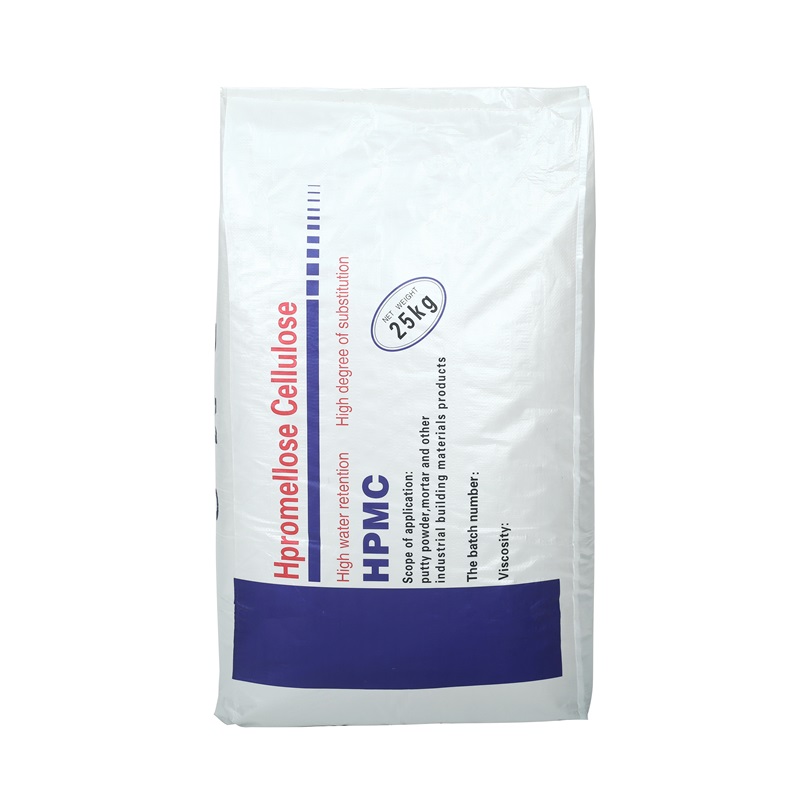
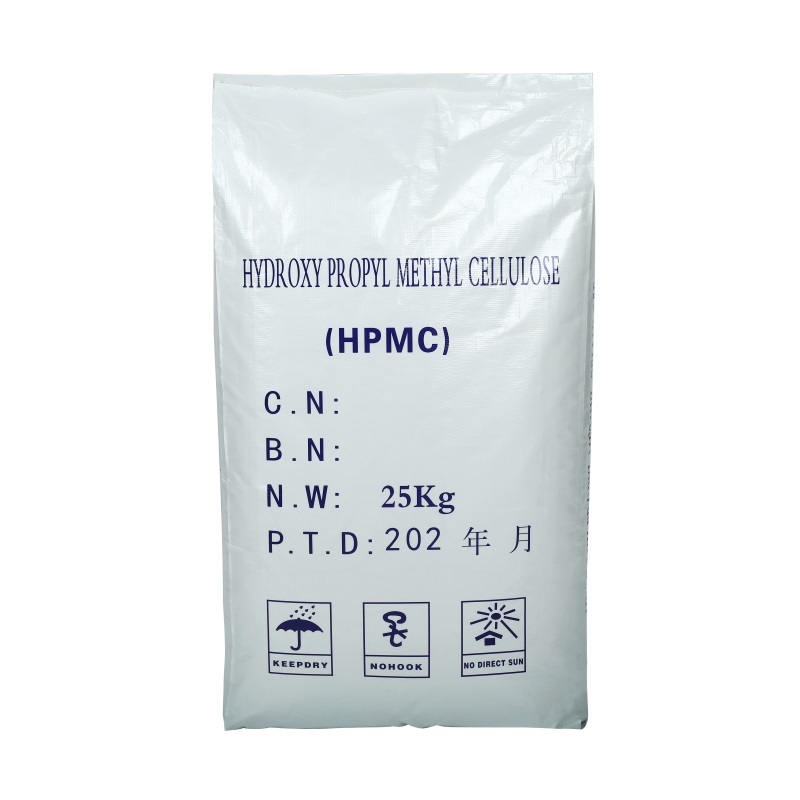
Cellulose ether is typically supplied in:
25 kg paper bags with PE inner liner
25 kg woven bags with PE inner liner
500 kg or 1000 kg jumbo bags
Custom packaging available
Loading capacity:
20GP container: 13 tons without pallets, 11 tons with pallets
40GP container: 27 tons without pallets, 24 tons with pallets
Delivery time:
Within 7 days after advance payment
Typically 3 days for a 20GP container
Typically 5 days for a 40GP container
Q1: What is the typical dosage of cellulose ether in masonry mortar?
A: Typically 0.05% to 0.2% by weight of the dry mix, depending on the application and substrate.
Q2: Can cellulose ether be used in both cement and lime mortars?
A: Yes, cellulose ether is compatible with both cement-based and lime-based masonry mortars.
Q3: How does cellulose ether improve masonry mortar adhesion?
A: Cellulose ether improves adhesion by retaining water at the mortar-unit interface, promoting complete cement hydration at the bonding zone.
Q4: Does cellulose ether reduce mortar strength?
A: Cellulose ether may cause a slight reduction in compressive strength due to air entrainment, but it significantly improves water retention and adhesion. Using a defoamer can minimize air entrainment.
Q5: What is the shelf life of cellulose ether?
A: Typically 12 to 24 months when stored properly in a cool, dry place.
Q6: Do you provide free samples for evaluation?
A: Yes, free samples are available for formulation testing.
hpmc cellulose ether is a small but indispensable component of modern masonry mortar. It provides water retention, workability, adhesion, and durability that cement and sand alone cannot deliver. For masonry mortar producers, understanding the benefits and proper formulation of cellulose ether is essential for producing high-quality products that meet performance requirements and satisfy customers.
By selecting the right grade, optimizing dosage, and following proper mixing procedures, producers can achieve consistent, high-performance masonry mortar that delivers reliable results in the field.
Contact us today to request a free sample of cellulose ether for masonry mortar applications.