Self-leveling mortar is a highly engineered material designed to flow, spread, and level under its own weight without manual compaction. Unlike traditional mortar, which requires troweling and finishing, self-leveling compounds must achieve a perfect balance between fluidity and stability. Too much flow and the material segregates; too little and it fails to level properly. This balance is achieved through the careful selection of chemical admixtures, and among them, cellulose ether plays a uniquely critical role.
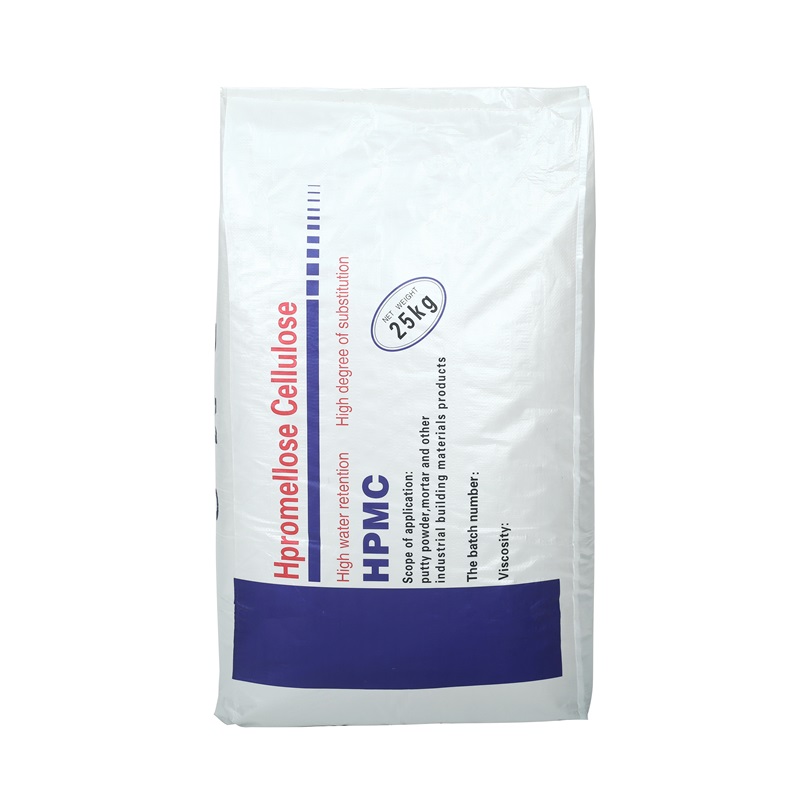
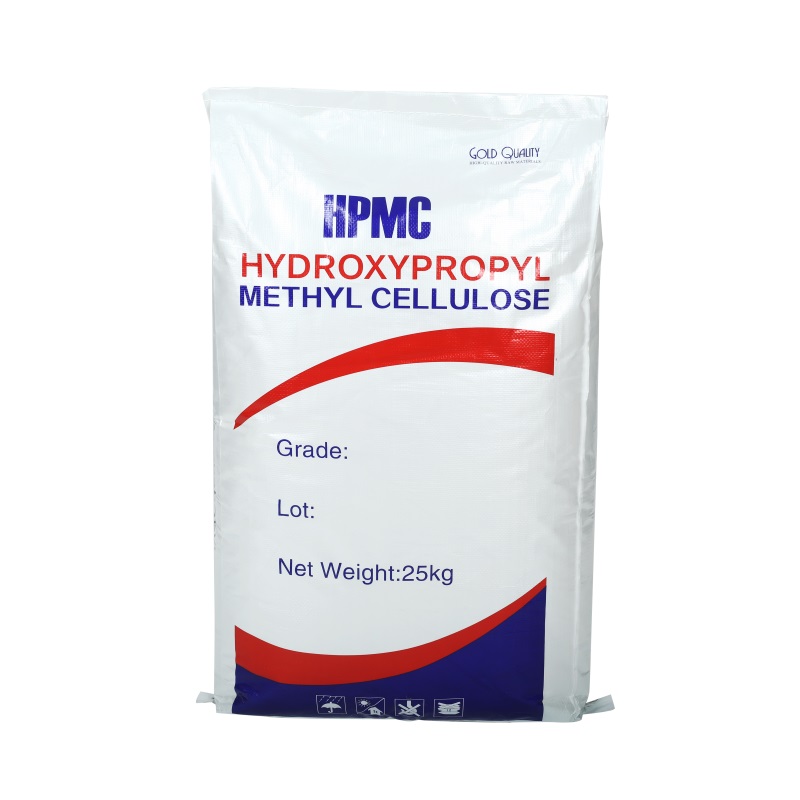
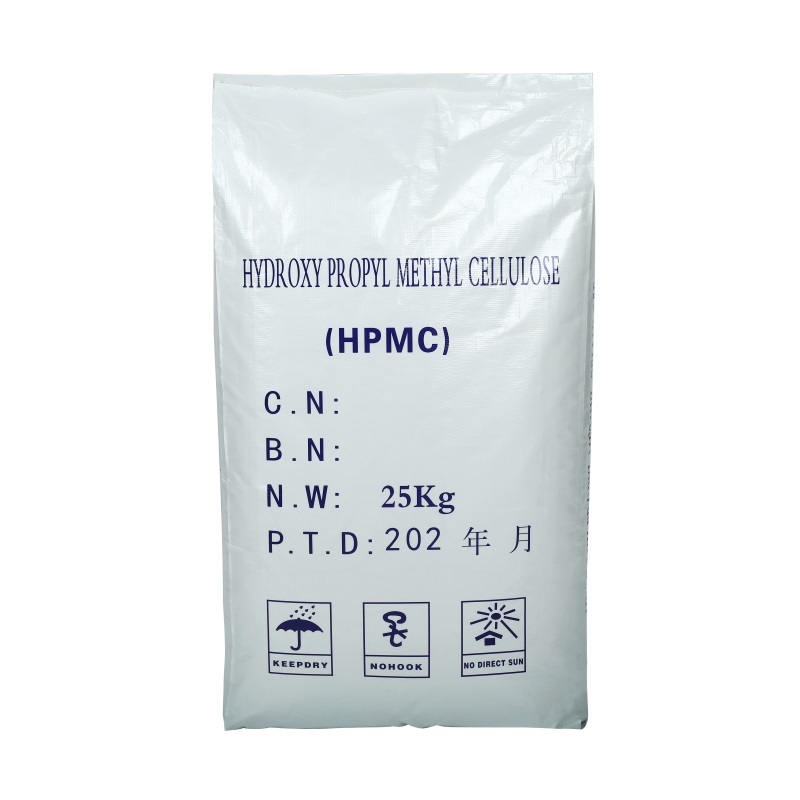
Cellulose ether — most commonly HPMC (Hydroxypropyl Methyl Cellulose) — is a water-soluble polymer derived from natural cellulose. In self-leveling mortar, it serves multiple functions simultaneously: water retention, anti-settling, rheology modification, and surface quality improvement. Despite being added at dosages as low as 0.05% to 0.20% by weight of the dry mix, cellulose ether profoundly influences the fresh and hardened properties of self-leveling systems.
This article provides a comprehensive technical guide to cellulose ether in self-leveling mortar. It explains the key functions, the mechanisms behind them, dosage guidance, and formulation considerations for producers who want to optimize their self-leveling compounds.
Self-leveling mortar, also called self-leveling compound or self-leveling underlayment, is a cement-based or gypsum-based material that flows and levels by gravity to form a smooth, flat surface. It is widely used in flooring applications to prepare substrates for tile, carpet, wood, or resin finishes.
Key performance requirements for self-leveling mortar:
| Property | Requirement |
|---|---|
| Flowability | High initial flow spread, minimal flow loss over time |
| Stability | No segregation, bleeding, or sedimentation |
| Surface quality | Smooth, defect-free surface without pinholes or craters |
| Strength | Adequate compressive and tensile strength for the application |
| Setting time | Controlled setting for sufficient working time |
These requirements create a fundamental challenge: the same fluidity that allows self-leveling also promotes segregation. Cellulose ether solves this challenge by increasing the viscosity of the liquid phase without compromising flow.
Water retention is the foundational function of cellulose ether in self-leveling systems. Fresh self-leveling mortar is applied in thin layers — often just a few millimeters — over highly absorbent substrates such as concrete. Without adequate water retention, the substrate would rapidly absorb the mixing water, leaving insufficient moisture for cement hydration and causing premature drying, cracking, and poor strength development.
Cellulose ether forms a three-dimensional polymer network that traps water and releases it slowly. This ensures that sufficient moisture remains available for complete cement hydration throughout the curing process.
Anti-settling is arguably the most critical function specific to self-leveling applications. In a highly fluid system, heavier particles such as sand, fillers, and cement tend to settle, while lighter components and water migrate upward. This sedimentation leads to inconsistent density, weak surface layers, and poor performance.
Cellulose ether prevents sedimentation by increasing the yield stress of the liquid phase. The polymer network suspends solid particles, keeping them uniformly distributed throughout the compound. This anti-settling property is essential for achieving consistent performance across the entire depth of the applied layer.
Self-leveling mortar must strike a delicate balance between flow and stability. Cellulose ether modifies the rheology of the fresh mix, increasing viscosity and yield stress while maintaining sufficient flowability for self-leveling behavior.
The key is selecting a cellulose ether grade with low thickening properties — one that provides anti-settling without excessively increasing viscosity. Excessive viscosity reduces flow spread and impairs the self-leveling effect.
A smooth, defect-free surface is essential for self-leveling compounds. Cellulose ether contributes to surface quality by:
Reducing bleeding — preventing water from rising to the surface and creating weak, powdery layers
Preventing pinholes and craters — maintaining uniform consistency that allows air to escape evenly
Improving leveling — providing the right rheology for the material to spread and flatten
Cellulose ether extends the open time of self-leveling mortar by retaining water and preventing premature drying. This gives applicators sufficient time to pour, spread, and finish the material before it sets.
When cellulose ether powder is added to water, the particles hydrate and swell, then dissolve. The polymer chains entangle to form a three-dimensional network that increases viscosity and yield stress.
The polymer network physically holds water and reduces its mobility. Cellulose ether also adsorbs onto the surface of cement and filler particles, forming a film that reduces water loss to the substrate.
The yield stress provided by cellulose ether prevents particles from settling. In a fluid at rest, the polymer network forms a gel-like structure that suspends solid particles. When the material flows, the network breaks down temporarily, allowing flow. When flow stops, the network reforms, preventing sedimentation.
Cellulose ether can entrain air in fresh self-leveling mortar, which is generally undesirable for thin-layer applications. Air bubbles create pinholes and craters on the surface and reduce density and strength. Formulators typically add a defoamer to control air content. The defoamer system is critical for achieving a smooth surface finish.
The viscosity of cellulose ether is the primary selection parameter. For self-leveling mortar, low to medium viscosity grades are generally preferred.
| Viscosity Range (2%, 20°C) | Suitability for Self-Leveling |
|---|---|
| Low (400 – 10,000 mPa·s) | Ideal for self-leveling, good flow, anti-settling |
| Medium (10,000 – 40,000 mPa·s) | Suitable for thick-layer systems, moderate flow |
| High (40,000 – 200,000 mPa·s) | Not recommended, excessive thickening |
Research indicates that low-viscosity cellulose ether is more suitable for self-leveling applications. Studies on sand-free self-leveling materials found that low-viscosity cellulose ether increased initial and 30-minute flow, while medium-viscosity cellulose ether was not suitable for self-leveling materials.
Binder system — cement-based vs. gypsum-based
Application thickness — thin-layer systems require lower viscosity
Flow spread target — higher flow requires lower viscosity
Anti-settling requirement — higher stability requires sufficient yield stress
Superplasticizer compatibility — cellulose ether must work with the superplasticizer system
For gypsum-based self-leveling mortar, research shows that slow-soluble cellulose ether grades are more suitable. Studies on gypsum-based self-leveling mortar found that cellulose ether with a viscosity of 10 mPa·s provided high initial flow without delayed bleeding or sedimentation. For desulfurized gypsum-based systems, small molecular weight cellulose ether (viscosity below 20,000 mPa·s) with dosage controlled at less than 1‰ of the binder is recommended.
The dosage of cellulose ether in self-leveling mortar is typically lower than in other dry mix mortars because high fluidity is essential.
| System Type | Typical Dosage (% of dry mix) |
|---|---|
| Cement-based self-leveling | 0.05% – 0.20% |
| Thin-layer systems | 0.03% – 0.15% |
| Gypsum-based self-leveling | 0.05% – 0.15% |
A common reference dosage range is 0.05%–0.20% by dry weight. Final dosage must be confirmed through laboratory testing.
Research provides specific dosage guidance for different systems:
Cement-based self-leveling mortar: Optimal parameters found to be cellulose ether = 0.6‰, tartaric acid = 0.5‰, and polycarboxylate superplasticizer = 2.0‰.
Cement-based self-leveling with superplasticizer: A cellulose ether dosage of 0.05% is recommended, corresponding to 100-minute flow retention and water retention of 89.2%.
Sand-free self-leveling material: Cellulose ether dosage should be less than 0.2%.
The effect of cellulose ether dosage on self-leveling mortar performance follows a clear pattern:
Increasing dosage: Improves water retention and anti-settling, but reduces flow spread and may increase self-shrinkage
Mechanical properties: Typically show an initial increase followed by a decrease as dosage increases
Optimal dosage: Achieves the best balance between flow, stability, and strength
Studies confirm that as cellulose ether dosage increases, the flow of cement-based self-leveling mortar decreases, self-shrinkage increases, and mechanical properties show a trend of first increasing and then decreasing.
A typical self-leveling mortar formulation includes:
| Component | Function |
|---|---|
| Cement or gypsum | Binder |
| Sand or filler | Aggregate |
| Cellulose ether | Water retention, anti-settling |
| Superplasticizer | Flow improvement |
| Defoamer | Air control |
| Redispersible polymer | Flexibility and adhesion |
| Retarder | Setting time control |
The most critical formulation challenge is balancing flow and stability:
Flow: Provided by superplasticizer and adequate water
Stability: Provided by cellulose ether and proper filler grading
When increasing cellulose ether dosage to improve anti-settling, flow decreases. This may require increasing superplasticizer dosage to maintain flow. The optimal balance must be determined through testing.
Air entrainment is a significant concern in self-leveling mortar. Cellulose ether, especially at higher dosages, can entrain air that creates pinholes and surface defects. Selecting an effective defoamer and optimizing its dosage is essential for achieving a smooth surface.
Water dosage directly affects flow spread, bleeding risk, strength development, shrinkage, and surface quality. Higher water improves flow but increases bleeding and shrinkage risk. Cellulose ether helps maintain stability even at higher water dosages, but the water-to-binder ratio should be optimized through testing.
| Issue | Possible Cause | Solution |
|---|---|---|
| Segregation and sedimentation | Insufficient cellulose ether | Increase dosage or select higher viscosity grade |
| Bleeding | Low water retention | Increase cellulose ether dosage |
| Reduced flow | Excess cellulose ether | Reduce dosage or increase superplasticizer |
| Pinholes and craters | Air entrainment | Optimize defoamer system |
| Slow setting | Retarder overdose | Reduce retarder dosage |
| Weak surface layer | Bleeding or sedimentation | Increase cellulose ether dosage |
Consistent cellulose ether quality is essential for stable self-leveling mortar production. Key quality parameters include:
| Parameter | Test Method | Importance |
|---|---|---|
| Viscosity | Brookfield viscometer | Determines flow and anti-settling balance |
| Moisture | Oven drying | Affects storage stability |
| Particle size | Sieve analysis | Influences dissolution speed |
| Ash content | Muffle furnace | Indicates purity |
| pH | pH meter | Compatibility with binder systems |
Consistent batch-to-batch quality ensures that self-leveling mortar producers can maintain stable formulations without constant adjustment.
Q1: What is the typical dosage of cellulose ether in self-leveling mortar?
A: Typically 0.05% to 0.20% by weight of the dry mix, depending on the system type and performance requirements. Thin-layer systems may use 0.03%–0.15%.
Q2: Why is low viscosity cellulose ether preferred for self-leveling mortar?
A: Low viscosity cellulose ether provides anti-settling without excessive thickening, allowing the material to maintain high flow spread. High viscosity grades reduce flow and impair self-leveling behavior.
Q3: How does cellulose ether prevent sedimentation in self-leveling mortar?
A: Cellulose ether increases the yield stress of the liquid phase, forming a gel-like network that suspends solid particles and prevents them from settling.
Q4: Can cellulose ether be used in both cement and gypsum-based self-leveling systems?
A: Yes, but grade selection differs. Slow-soluble, low-viscosity grades are often preferred for gypsum-based systems.
Q5: Does cellulose ether reduce the strength of self-leveling mortar?
A: Cellulose ether may cause a slight reduction in strength due to air entrainment, but this can be controlled with proper defoamer selection and dosage. At normal dosages, the effect on final strength is minimal when properly formulated.
Q6: What is the shelf life of cellulose ether?
A: Typically 12 to 24 months when stored properly in a cool, dry place.
hpmc cellulose ether is a small but indispensable component of modern self-leveling mortar. It provides water retention, anti-settling, rheology control, and surface quality improvement that would be difficult or impossible to achieve otherwise. The key to successful self-leveling formulation lies in selecting the right cellulose ether grade and dosage to balance flow and stability.
For self-leveling mortar producers, understanding the functions and proper selection of cellulose ether is essential for producing high-quality products that meet performance requirements. Low to medium viscosity grades are generally preferred, with dosage optimized through laboratory testing for each specific formulation.
Contact us today to request a free sample of cellulose ether for self-leveling mortar applications.