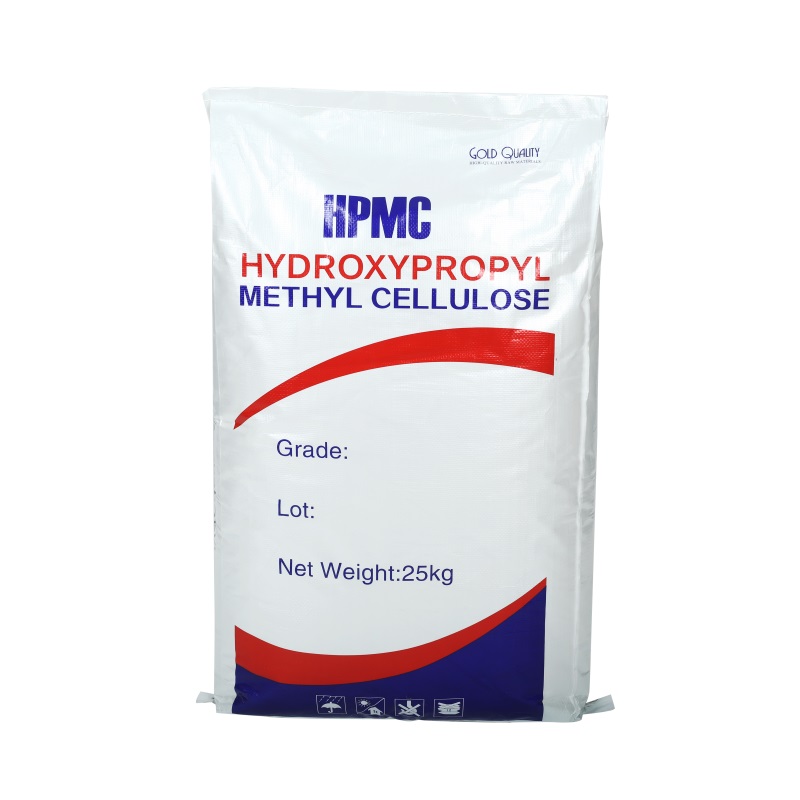
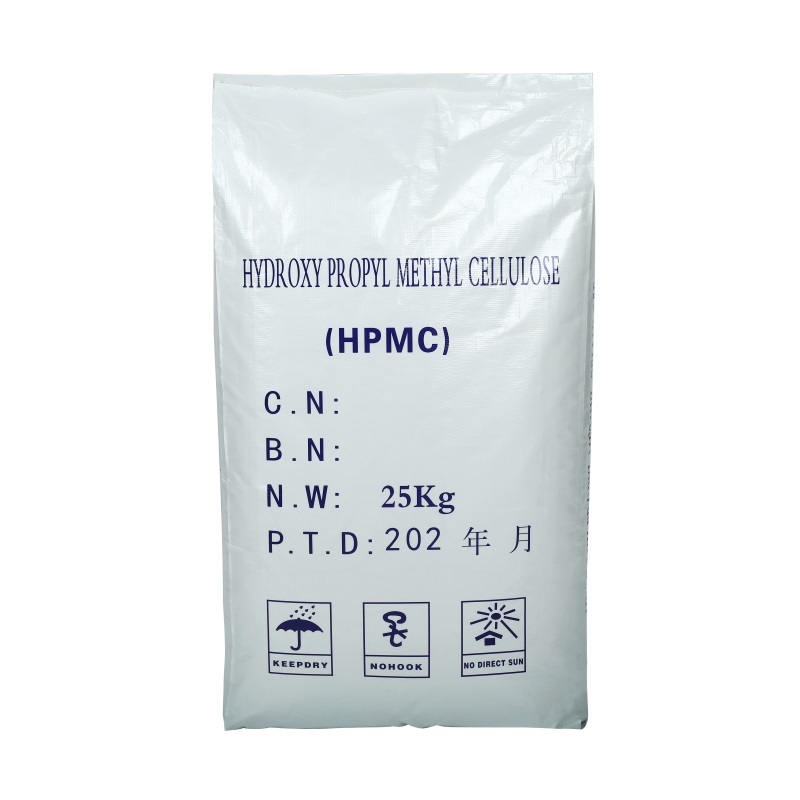
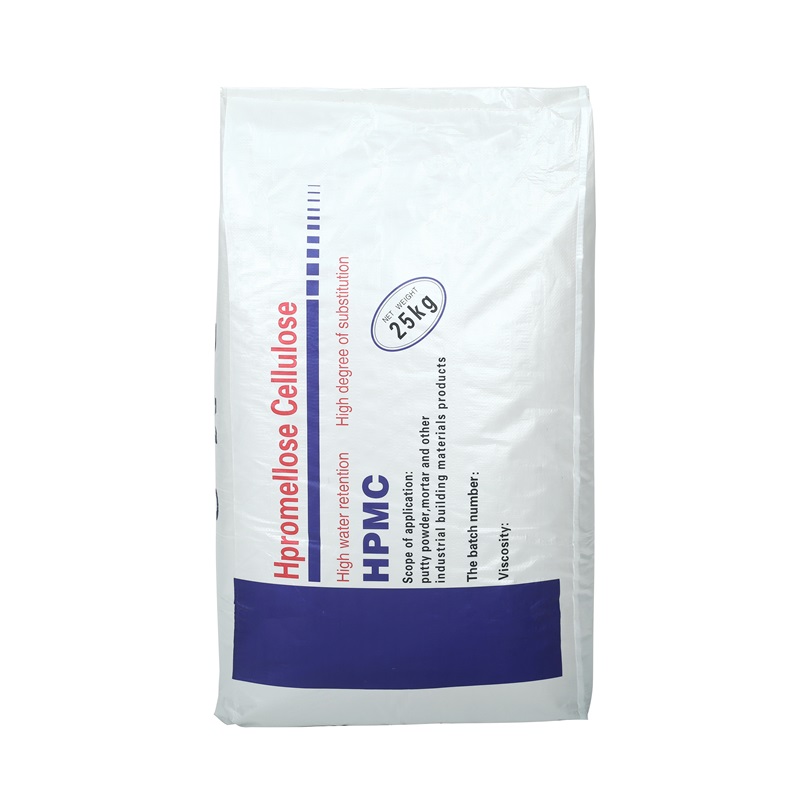
In the construction chemicals industry, the performance of your final product depends heavily on the quality and consistency of your raw materials. Hydroxypropyl Methyl Cellulose (HPMC) is one of the most critical additives in dry mix mortars, tile adhesives, wall putty, and gypsum plaster. Choosing the right HPMC manufacturer is not just about price — it is about securing a stable supply of consistent, high-performance cellulose ether that meets your formulation requirements batch after batch.
As a professional HPMC manufacturer based in North China with an annual output capacity of 20,000 tons, we have spent more than a decade serving construction chemical producers across 30+ countries. This article explains what HPMC is, how it works in construction applications, what to look for in a supplier, and how our production scale benefits buyers worldwide.
HPMC, or Hydroxypropyl Methyl Cellulose, is a non-ionic cellulose ether produced by chemically modifying natural cellulose. It appears as a white, odorless powder with excellent water solubility. When dissolved in water, HPMC forms a transparent, viscous solution that delivers a unique combination of properties:
Thickening — increases viscosity and improves consistency
Water retention — prevents premature drying of cement-based systems
Adhesion — enhances bonding between mortar and substrate
Dispersion — keeps pigments and fillers evenly distributed
Film formation — creates a flexible film that improves flexibility and crack resistance
Suspension — prevents settling of solid particles
Gelation — forms gel at elevated temperatures, aiding application performance
These properties make HPMC indispensable in construction, pharmaceuticals, food, cosmetics, and detergent applications. In the construction sector — our primary focus — HPMC is the backbone additive that transforms basic cement, sand, and fillers into high-performance, workable, and durable products.
Not all HPMC is created equal. Different applications require different viscosity grades and chemical characteristics. The key parameters buyers should evaluate include:
| Parameter | Typical Range | Effect on Application |
|---|---|---|
| Viscosity (2% solution, 20°C) | 40,000 – 200,000 mPa·s | Higher viscosity = better water retention and thickening |
| Methoxyl content (DS) | 1.6 – 2.0 | Affects solubility and gelation temperature |
| Hydroxypropyl content (MS) | 0.2 – 0.4 | Influences flexibility and water retention |
| Moisture | ≤ 5% | Higher moisture reduces shelf life and flowability |
| pH (1% solution) | 5.0 – 8.0 | Neutral range ideal for cement systems |
| Particle size | 80 – 200 mesh | Finer powder dissolves faster; coarser reduces dust |
| Ash content | ≤ 5% | Lower ash indicates higher purity |
For tile adhesive and dry mix mortar, medium to high viscosity grades (typically 60,000–100,000 mPa·s) are commonly used. For self-leveling compounds and gypsum plaster, lower to medium viscosity grades may be preferred for better flow. A reputable manufacturer should be able to recommend the right grade for your formulation or provide custom specifications.
Understanding the mechanism of HPMC in cementitious systems helps formulators appreciate why grade selection matters.
When HPMC dissolves in the mixing water, its long polymer chains entangle and form a three-dimensional network. This network physically traps water, preventing it from being absorbed by the substrate or evaporating too quickly. Proper water retention ensures that cement particles can fully hydrate, leading to:
Complete cement hydration and strength development
Improved adhesion to porous substrates
Reduced risk of cracking and shrinkage
Consistent workability over extended open time
HPMC modifies the rheology of fresh mortar by increasing viscosity and yield stress. This provides:
Anti-sag properties for vertical applications (tile adhesive, wall putty)
Smooth, creamy texture for easier troweling
Reduced segregation and bleeding
Better standing time for tiles after application
By retaining water at the interface between mortar and substrate, HPMC promotes optimal cement hydration at the bonding zone. This significantly improves tensile and shear bond strength — a critical performance requirement for tile adhesives under EN 12004 and ISO 13007 standards.
HPMC can influence air content in fresh mortar. While some air entrainment improves workability and freeze-thaw resistance, excessive air reduces strength. A well-controlled HPMC with consistent quality helps formulators balance these effects.
Our HPMC is widely used in the following applications:
Tile adhesive is one of the largest applications for HPMC. HPMC provides water retention, open time, anti-slip, and bond strength. The right HPMC grade ensures compliance with C1 and C2 classification requirements, including extended open time (E) and high adhesion (T) properties.
From masonry mortar to render and repair mortar, HPMC improves workability, water retention, and adhesion. It allows dry mix products to be pre-bagged and stored without compromising performance when mixed with water on site.
In wall putty and skim coat formulations, HPMC delivers smooth application, excellent water retention, and crack resistance. It helps achieve a fine, paintable surface while maintaining adhesion to the base wall.
HPMC extends pot life, improves workability, and enhances adhesion of gypsum-based plasters. It also helps control setting time and reduces shrinkage cracking.
For machine-applied plasters and spray mortars, HPMC improves pumpability, cohesion, and water retention. The right grade prevents segregation during spraying and ensures uniform coverage.
HPMC provides the thickening and adhesion needed for joint compounds and crack fillers, ensuring smooth application and durable performance.
Beyond construction, HPMC is used as a thickener and stabilizer in detergents, cleaning products, and personal care formulations.
For construction chemical manufacturers, inconsistent HPMC quality leads to:
Batch-to-batch variation in mortar performance
Customer complaints and product returns
Wasted raw materials and rework
Damage to brand reputation
Consistency depends on three factors:
Raw material control — consistent cellulose pulp quality
Process control — precise etherification, washing, and drying
Quality testing — rigorous batch testing and retained samples
A manufacturer with large-scale production capacity can invest in better process control and quality assurance systems, resulting in more consistent product.
Production capacity is more than a marketing number. For buyers, a manufacturer with 20,000 tons annual output offers real advantages:
Large capacity means the manufacturer can fulfill large or repeat orders without delays. If you are a distributor or a large construction chemical producer, you need a supplier who can grow with your business.
Large-scale production with multiple advanced lines allows for standardized processes and strict batch control. Our sixteen production lines and professional quality inspection team ensure that every batch meets specification.
Economies of scale reduce per-unit production costs. As one of the largest cellulose ether manufacturers in North China, we can offer competitive factory pricing without compromising quality.
With sufficient production capacity and stock, we can deliver within 7 days after advance payment — typically 3 days for a 20GP container (13 tons) and 5 days for a 40GP container (26 tons).
Large capacity supports OEM production and custom specifications. We can adjust viscosity, particle size, and packaging according to customer requirements.
When evaluating HPMC suppliers, consider the following:
| Criteria | What to Check |
|---|---|
| Manufacturing type | Are they a factory or a trading company? |
| Production capacity | Annual output, number of lines, area |
| Years in business | Experience and stability |
| Quality control | Inspection team, batch testing, retained samples |
| Product range | Viscosity grades, applications, customization |
| Certifications | ISO, REACH, etc. |
| Export experience | Countries served, references |
| Sample policy | Free samples, air freight support |
| Delivery time | Lead time for standard containers |
| Payment terms | T/T, L/C, Western Union |
| OEM service | Custom packaging and specifications |
A true manufacturer with large capacity, proven export experience, and strong quality control is a safer long-term partner than a trading company with limited control over production.
We were founded in 2010 with a total investment of 220 million CNY. Our facility covers 360 acres and employs 190 people, including 50 scientific and technical personnel. With sixteen advanced production lines, our annual cellulose ether capacity reaches 20,000 tons, making us one of the largest cellulose ether manufacturers in China.
Our advantages include:
Professional quality management — dedicated process inspection team
Supply support — good quality, sufficient quantity, diversified products
Timely delivery — advanced production equipment ensures on-time shipment
Export experience — clients in more than 30 countries
Free samples — 500g–1000g with air freight covered
OEM service — available according to customer requirements
Q1: Are you a manufacturer or trading company?
A: We are a factory specializing in HPMC production for more than 10 years.
Q2: What is your delivery time?
A: Within 7 days after advance payment. Usually 3 days for a 20GP container (13 tons) and 5 days for a 40GP container (26 tons). For large quantities, delivery time will be confirmed after order.
Q3: Can I get free samples?
A: Yes, we provide free samples (usually 500g–1000g) and cover air freight. Each batch is strictly tested and retained samples are kept for quality traceability.
Q4: What is the loading quantity for different containers?
A: 20GP: 13 tons without pallets, 11 tons with pallets. 40GP: 27 tons without pallets, 24 tons with pallets.
Q5: What payment terms do you accept?
A: T/T, Western Union, and L/C at sight.
Q6: Do you supply OEM?
A: Yes, we offer OEM service according to customer requirements.
Q7: What applications does your HPMC support?
A: Wall putty, tile adhesive, cement mortar, dry mix mortar, wall plaster, skim coat, gypsum plaster, joint fillers, crack fillers, and detergent applications.
Choosing an HPMC supplier is a strategic decision. The right partner provides not only quality product but also stable supply, technical support, competitive pricing, and reliable delivery. With 20,000 tons annual capacity, more than 15 years of experience, and clients in over 30 countries, we are positioned to support construction chemical producers worldwide.
Whether you need HPMC for tile adhesive, dry mix mortar, wall putty, or gypsum plaster, we invite you to request a free sample and experience the difference of a professional cellulose ether manufacturer.
Contact us today to discuss your HPMC requirements. website: https://www.hpmccelluloses.com/contact/