Dry mix mortar and wall putty are among the most widely used construction materials in the world. From tiling and rendering to wall finishing and repair, these products must perform consistently under a wide range of conditions. Behind their performance lies a small but critical additive: HPMC powder.
Hydroxypropyl Methyl Cellulose (HPMC) is a water-soluble cellulose ether that functions as a thickener, water retention agent, binder, and rheology modifier. In dry mix mortar and wall putty, even a small dosage of HPMC — typically 0.1% to 0.5% by weight — can dramatically improve workability, adhesion, open time, and crack resistance.
This article provides a deep dive into HPMC powder for dry mix mortar and wall putty, covering its properties, mechanisms, selection criteria, formulation guidance, and quality considerations. It is written for construction chemical producers, formulators, and buyers who want to understand how to get the most from their HPMC additive.
HPMC is a non-ionic cellulose ether derived from natural cellulose through a series of chemical reactions. The cellulose backbone is modified with methoxyl and hydroxypropyl groups, which disrupt the crystalline structure and make the polymer water-soluble.
In its dry form, HPMC cellulose is a white to off-white powder. When added to water, it dissolves and forms a clear, viscous solution. The powder form is preferred in dry mix applications because it can be pre-blended with cement, sand, fillers, and other additives without premature hydration.
Key physical properties:
| Property | Typical Value |
|---|---|
| Appearance | White to off-white powder |
| Moisture content | ≤ 5% |
| pH (1% solution) | 5.0 – 8.0 |
| Particle size | 80 – 200 mesh |
| Viscosity (2%, 20°C) | 40,000 – 200,000 mPa·s |
| Solubility | Soluble in cold water, insoluble in hot water |
Dry mix mortar is a pre-blended mixture of cement, sand, fillers, and additives that only requires the addition of water on site. Without HPMC, most dry mix mortars would suffer from poor water retention, rapid drying, weak adhesion, and poor workability.
HPMC contributes to dry mix mortar in several ways:
Fresh mortar loses water through evaporation and absorption by the substrate. If water is lost too quickly, cement cannot fully hydrate, leading to weak strength and poor adhesion. HPMC forms a polymer network that traps water and releases it slowly, ensuring proper cement hydration.
HPMC increases the viscosity and yield stress of fresh mortar, giving it a smooth, creamy texture that is easy to trowel, spread, and level. This improves productivity and reduces material waste.
By maintaining water at the mortar-substrate interface, HPMC promotes optimal cement hydration at the bonding zone, resulting in stronger adhesion to concrete, masonry, and other substrates.
For vertical applications, HPMC provides the yield stress needed to prevent mortar from sagging or tiles from slipping after placement.
HPMC extends the open time of mortar, allowing workers more time to adjust tiles or finish surfaces without compromising bond strength.
By controlling water loss and shrinkage, HPMC reduces the risk of cracking in dried mortar and putty.
Wall putty is a fine powder mixed with water to form a paste used to fill surface imperfections and create a smooth base for painting. HPMC is a key additive in wall putty for several reasons:
HPMC improves the rheology of putty, making it easy to apply with a trowel or spray equipment. It provides a smooth, creamy consistency that spreads evenly.
Wall putty is applied in thin layers, which makes it prone to rapid drying. HPMC retains water long enough for the putty to cure properly, preventing cracking and flaking.
HPMC improves the bond between putty and the base wall, reducing the risk of peeling and delamination.
Properly formulated putty with HPMC dries to a hard, smooth surface that is easy to sand and paint. It reduces dust generation and improves finish quality.
HPMC reduces shrinkage during drying, minimizing hairline cracks that can affect paint appearance.
Understanding how HPMC works helps formulators select the right grade and dosage.
When HPMC powder is added to water, the particles first hydrate and swell, then dissolve. The polymer chains entangle to form a three-dimensional network that increases viscosity and traps water.
The polymer network physically holds water and reduces its mobility. Additionally, HPMC reduces the rate of water absorption by the substrate through film formation at the interface.
HPMC increases both viscosity and yield stress. Yield stress is particularly important for anti-sag and anti-slip performance. Higher viscosity grades generally provide better water retention but may reduce flowability.
HPMC can entrain air in fresh mortar, which improves workability and freeze-thaw resistance but can reduce strength if excessive. Formulators should balance air content with strength requirements.
HPMC solutions gel at elevated temperatures, which can affect performance in hot climates. Selecting the right grade with an appropriate gelation temperature is important for tropical markets.
HPMC is available in different viscosity grades and chemical specifications. The right choice depends on the application, substrate, climate, and performance requirements.
| Viscosity Range (2%, 20°C) | Typical Application |
|---|---|
| Low (40,000 – 60,000 mPa·s) | Self-leveling compounds, gypsum plaster |
| Medium (60,000 – 100,000 mPa·s) | Tile adhesive, wall putty, dry mix mortar |
| High (100,000 – 200,000 mPa·s) | Water retention-critical mortars, render |
Application type — tile adhesive, putty, render, or repair mortar
Substrate — absorbent (concrete, brick) vs. non-absorbent (tile, metal)
Climate — hot climates require higher water retention and gelation temperature
Application method — trowel, spray, or machine application
Performance standards — EN 12004, ISO 13007, or local standards
Typical HPMC dosage ranges:
| Application | Dosage (% of dry mix) |
|---|---|
| Tile adhesive | 0.2% – 0.5% |
| Wall putty | 0.3% – 0.6% |
| Dry mix mortar | 0.1% – 0.3% |
| Gypsum plaster | 0.1% – 0.4% |
Dosage should be optimized through laboratory testing to balance performance and cost.
A typical dry mix mortar formulation includes:
Cement (OPC or blended)
Sand (silica or limestone)
Fillers (calcium carbonate, fly ash)
HPMC
Redispersible polymer powder (optional)
Fibers (optional)
Other additives (superplasticizer, retarder, starch ether)
HPMC should be pre-blended with other powders before adding water to ensure uniform dispersion.
A typical wall putty formulation includes:
White cement or gypsum
Calcium carbonate
HPMC
Redispersible polymer powder (optional)
Starch ether (optional)
Water repellent (optional)
HPMC dosage and grade selection determine workability, water retention, and surface finish.
| Issue | Possible Cause | Solution |
|---|---|---|
| Poor water retention | Low HPMC dosage or viscosity | Increase dosage or select higher viscosity grade |
| Sagging on vertical surface | Low yield stress | Increase HPMC dosage or use higher viscosity grade |
| Slow dissolution | Coarse particle size or poor mixing | Use finer powder or improve mixing procedure |
| Excessive air | High HPMC dosage or surfactant contamination | Reduce dosage or adjust formulation |
| Cracking | Rapid drying or high shrinkage | Increase water retention or add fibers |
HPMC quality directly affects the performance of dry mix mortar and wall putty. Buyers should evaluate the following:
Consistent viscosity, moisture, and particle size from batch to batch are essential for stable production. A manufacturer with strict process control and retained samples can ensure consistency.
Low ash content and minimal impurities indicate higher purity and better performance. HPMC should be free from lumps, foreign matter, and excessive moisture.
HPMC should dissolve quickly and uniformly in water without forming lumps. Poor dissolution leads to inconsistent performance.
Viscosity should remain stable over time and under different temperature conditions. Some low-quality products lose viscosity during storage.
Common tests include:
Viscosity measurement (Brookfield or rotational viscometer)
Moisture content (oven drying)
Ash content (muffle furnace)
pH measurement
Particle size analysis (sieve analysis)
Water retention (filter paper method)
HPMC powder should be stored in a cool, dry place away from direct sunlight and moisture. Proper storage ensures product stability and performance.
Storage recommendations:
Keep bags sealed when not in use
Store on pallets away from walls and floor
Avoid exposure to high humidity
Use within recommended shelf life (typically 12–24 months)
Protect from excessive heat and direct sunlight
Handling:
Use dust masks and gloves to avoid inhalation and skin contact
Avoid generating dust during transfer
Clean spills promptly to prevent slipping
HPMC powder is typically supplied in:
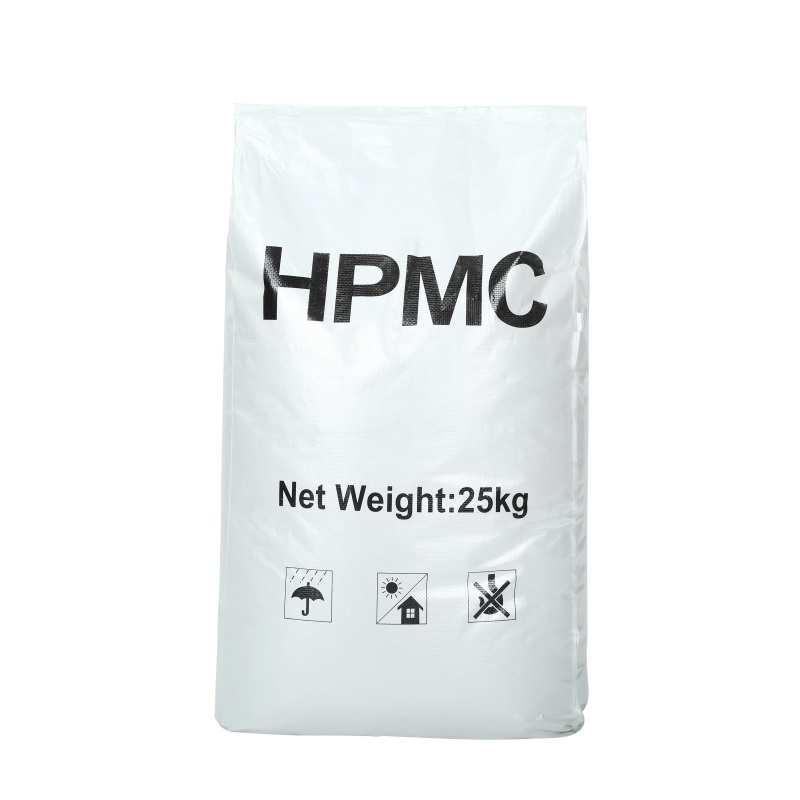
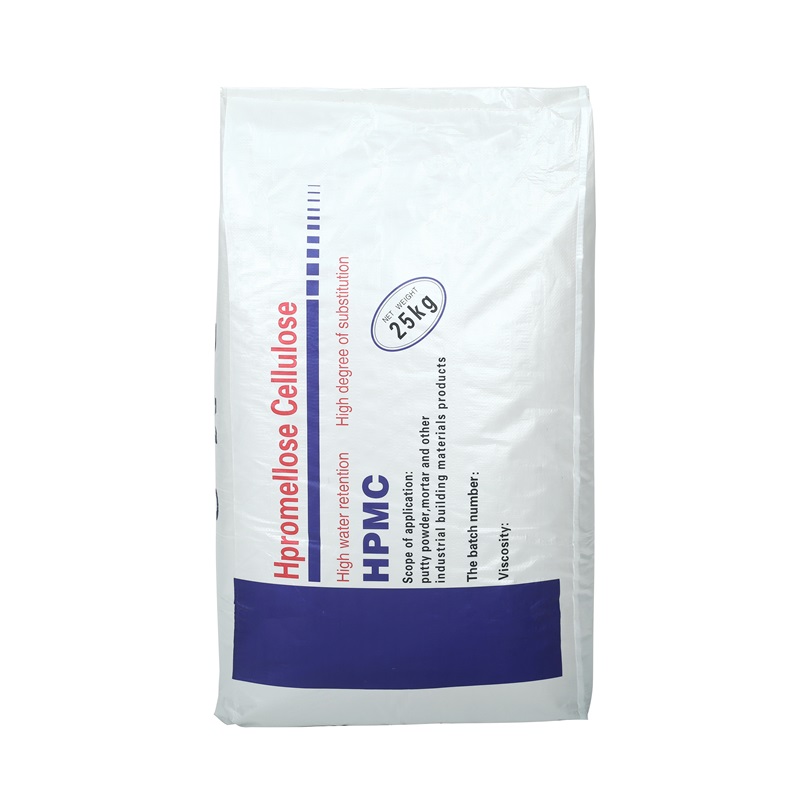
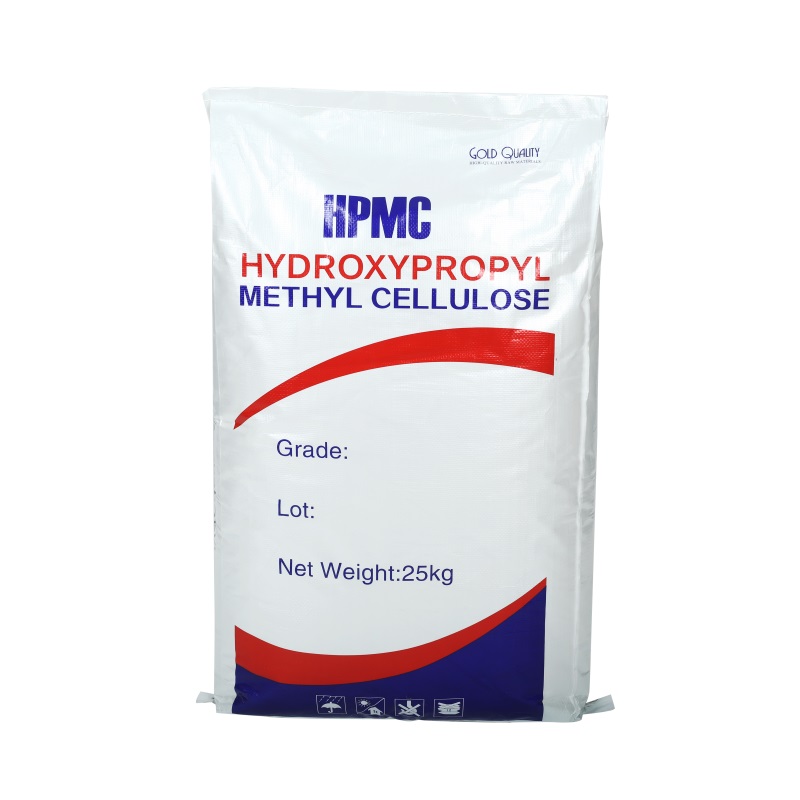
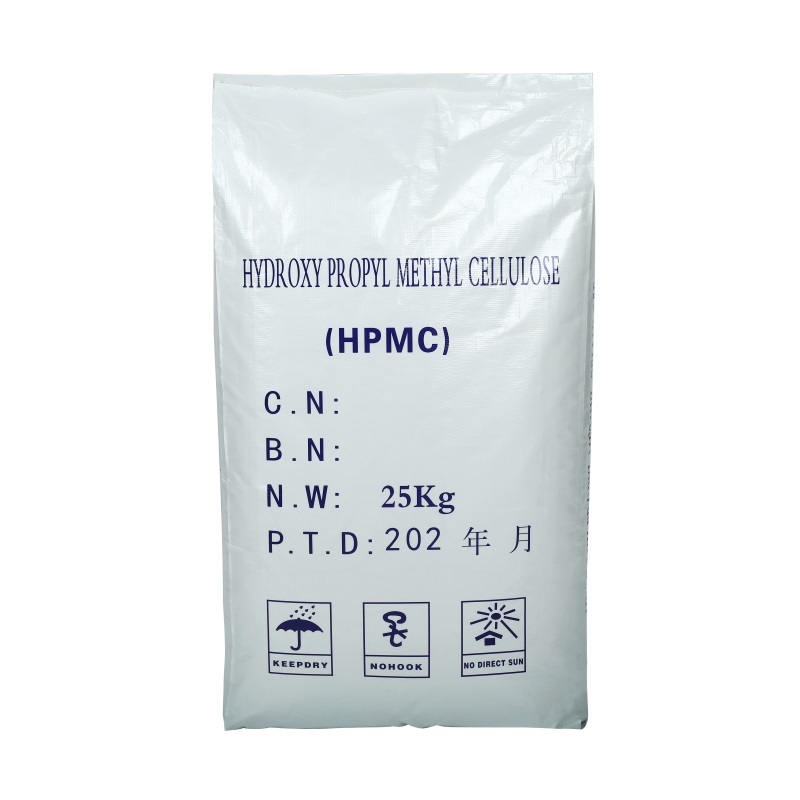
25 kg paper bags with PE inner liner
25 kg woven bags with PE inner liner
500 kg or 1000 kg jumbo bags
Custom packaging available on request
Loading capacity:
20GP container: 13 tons without pallets, 11 tons with pallets
40GP container: 27 tons without pallets, 24 tons with pallets
Delivery time:
Within 7 days after advance payment
Typically 3 days for a 20GP container
Typically 5 days for a 40GP container
Purchasing HPMC directly from a factory supplier offers several advantages:
Factory-direct pricing eliminates middleman margins, reducing your raw material cost.
A factory controls the entire production process, from raw material selection to final testing, ensuring consistent quality.
Factories can adjust viscosity, particle size, and packaging to meet specific requirements.
A manufacturer with technical expertise can provide formulation guidance and troubleshooting support.
Large production capacity ensures reliable supply for repeat and large-volume orders.
Factories can offer OEM production with custom branding and packaging.
Q1: What is the recommended dosage of HPMC in wall putty?
A: Typically 0.3% to 0.6% by weight of the dry mix, depending on the formulation and performance requirements.
Q2: Can HPMC be used in both cement-based and gypsum-based putty?
A: Yes, HPMC is compatible with both cement and gypsum systems. However, grade selection may differ based on setting behavior and water demand.
Q3: How does HPMC improve tile adhesive performance?
A: HPMC improves water retention, open time, anti-slip, and bond strength, helping tile adhesive meet performance standards.
Q4: What is the shelf life of HPMC powder?
A: Typically 12 to 24 months when stored properly in a cool, dry place.
Q5: Do you provide free samples?
A: Yes, free samples are available for evaluation. We also cover air freight for sample delivery.
Q6: Do you offer OEM service?
A: Yes, OEM service is available according to customer requirements.
Q7: What payment terms do you accept?
A: T/T, Western Union, and L/C at sight.
HPMC powder is a small but powerful component of dry mix mortar and wall putty. The right grade and dosage can transform a basic formulation into a high-performance product with excellent workability, adhesion, and durability. The wrong choice can lead to sagging, cracking, poor adhesion, and customer complaints.
When selecting an HPMC supplier, look for a factory with proven production capacity, strict quality control, technical support, and export experience. A reliable partner can help you optimize your formulation, reduce costs, and grow your business.
Contact us today to request a free sample of HPMC powder for dry mix mortar and wall putty.