Tile adhesive has evolved dramatically over the past few decades. What was once a simple mixture of cement and sand is now a highly engineered product designed to deliver reliable bonding, extended open time, anti-slip performance, and long-term durability. At the heart of this evolution is a single, remarkable additive: HPMC.
Hydroxypropyl Methyl Cellulose (HPMC) is a water-soluble cellulose ether that provides water retention, thickening, adhesion, and rheology control in cementitious tile adhesives. Without HPMC, modern tile adhesive would not be able to meet the stringent performance requirements demanded by international standards and today's demanding installation environments.
This article provides a comprehensive guide to HPMC for tile adhesive. It covers what HPMC is, how it works, how to select the right grade, formulation guidance, quality control, and why choosing the right China cellulose ether manufacturer matters. It is written for tile adhesive producers, formulators, and buyers who want to deepen their understanding of this essential additive.
HPMC, or Hydroxypropyl Methyl Cellulose, is a non-ionic cellulose ether produced by chemically modifying natural cellulose. The cellulose backbone is treated with methyl chloride and propylene oxide, introducing methoxyl and hydroxypropyl groups that make the polymer water-soluble.
In its dry form, HPMC cellulose is a white to off-white powder. When added to water, it dissolves to form a clear, viscous solution. In tile adhesive, HPMC is pre-blended with cement, sand, fillers, and other additives to create a dry mix that only requires water on site.
Key properties of HPMC:
| Property | Typical Value |
|---|---|
| Appearance | White to off-white powder |
| Moisture content | ≤ 5% |
| pH (1% solution) | 5.0 – 8.0 |
| Particle size | 80 – 200 mesh |
| Viscosity (2%, 20°C) | 40,000 – 200,000 mPa·s |
| Solubility | Soluble in cold water |
| Ionic nature | Non-ionic |
Tile adhesive is a complex system. It must bond ceramic, porcelain, or stone tiles to various substrates, including concrete, cement render, gypsum board, and existing tiles. It must perform under wet, dry, hot, cold, and freeze-thaw conditions. HPMC contributes to nearly every critical performance property.
Water retention is arguably the most important function of HPMC in tile adhesive. Fresh tile adhesive loses water through evaporation and absorption by the substrate. If water is lost too quickly, cement cannot fully hydrate, resulting in weak bond strength and potential failure.
HPMC forms a polymer network that traps water and releases it slowly, ensuring complete cement hydration and optimal bond development. This is especially important for thin-bed applications and for absorbent substrates such as concrete and cement render.
Open time is the period during which a troweled adhesive remains capable of bonding to a tile after application. HPMC extends open time by retaining water in the adhesive, preventing premature skinning. This gives installers more time to position and adjust tiles, improving productivity and reducing waste.
Extended open time (classified as "E" under EN 12004) is a key requirement for large-format tile installation and for projects in hot climates.
For wall tile installation, tile adhesive must prevent tiles from sliding down after placement. HPMC increases the yield stress of the fresh adhesive, providing the cohesion needed to hold tiles in place. This anti-slip property is essential for large-format wall tiles and is classified as "T" under EN 12004.
HPMC improves bond strength by maintaining water at the adhesive-substrate and adhesive-tile interfaces. Proper water retention ensures that cement hydrates fully at these critical zones, resulting in strong tensile and shear bond strength.
Bond strength is tested under various conditions, including:
Dry storage
Wet storage
Heat aging
Freeze-thaw cycling
HPMC helps tile adhesive meet these requirements consistently.
HPMC modifies the rheology of fresh adhesive, giving it a smooth, creamy, and non-sagging consistency. This improves troweling, spreading, and combing, making installation faster and more consistent.
After placing a tile, installers often need to adjust its position. HPMC provides the slip resistance and open time needed to allow adjustment without compromising bond strength.
By controlling water loss and promoting proper curing, HPMC reduces shrinkage and the risk of cracking in the cured adhesive layer.
Tile adhesives are classified by performance under EN 12004 and ISO 13007. The main types are:
| Classification | Description | HPMC Requirement |
|---|---|---|
| C1 | Normal cementitious adhesive | Standard water retention and workability |
| C2 | Improved cementitious adhesive | High water retention, high bond strength |
| C2E | Extended open time | High water retention, extended open time |
| C2T | Anti-slip | High yield stress, anti-sag |
| C2TE | Extended open time + anti-slip | Balanced water retention and yield stress |
| C2S1 | Deformable | Compatible with polymer modification |
| C2S2 | Highly deformable | High flexibility, compatible with polymers |
For C2TE adhesives, HPMC selection is critical. The grade must provide high water retention for extended open time while also delivering sufficient yield stress for anti-slip performance. This balance is achieved through careful selection of viscosity and dosage.
Not all HPMC grades are suitable for tile adhesive. The right grade depends on the adhesive type, substrate, climate, and performance requirements.
| Viscosity Range (2%, 20°C) | Typical Application |
|---|---|
| Low (40,000 – 60,000 mPa·s) | Thin-bed adhesives, self-leveling |
| Medium (60,000 – 100,000 mPa·s) | Standard tile adhesive, C1/C2 |
| High (100,000 – 200,000 mPa·s) | High-performance C2TE, large-format tile |
Medium viscosity grades are most commonly used in tile adhesive. High viscosity grades are preferred for applications requiring maximum water retention and anti-sag performance.
Adhesive classification — C1, C2, C2E, C2T, C2TE
Tile type — ceramic, porcelain, stone, large-format
Substrate — concrete, render, gypsum, existing tiles
Climate — hot climates require higher water retention and gelation temperature
Application method — trowel, machine, or spray
Standards — EN 12004, ISO 13007, or local standards
Typical HPMC dosage in tile adhesive:
| Adhesive Type | HPMC Dosage (% of dry mix) |
|---|---|
| C1 | 0.2% – 0.3% |
| C2 | 0.3% – 0.4% |
| C2TE | 0.4% – 0.5% |
| Large-format tile | 0.4% – 0.6% |
Dosage should be optimized through laboratory testing. Higher dosage improves water retention and anti-sag but may reduce workability and increase cost.
Understanding the mechanism helps formulators optimize adhesive performance.
When HPMC powder is mixed with water, particles hydrate and swell, then dissolve. The polymer chains entangle to form a three-dimensional network that increases viscosity and traps water.
The polymer network physically holds water and reduces its mobility. HPMC also forms a film at the adhesive-substrate interface, reducing water absorption by the substrate. This ensures that water remains available for cement hydration.
HPMC increases both viscosity and yield stress. Yield stress is critical for anti-sag and anti-slip performance. Higher yield stress prevents tiles from sliding and adhesive from sagging on vertical surfaces.
By retaining water, HPMC prevents the adhesive surface from drying and skinning. This extends open time, allowing installers to position tiles accurately.
HPMC can entrain air in fresh adhesive, improving workability and freeze-thaw resistance. However, excessive air reduces strength. Formulators should balance air content with bond strength requirements.
HPMC solutions gel at elevated temperatures. In hot climates, selecting a grade with a higher gelation temperature prevents premature gelation and maintains workability.
A typical cementitious tile adhesive formulation includes:
Cement (OPC or blended)
Sand (silica sand, graded)
Fillers (calcium carbonate, fly ash)
HPMC
Redispersible polymer powder (for flexibility and adhesion)
Fibers (optional)
Other additives (superplasticizer, retarder, starch ether)
| Component | Function |
|---|---|
| Cement | Binder |
| Sand | Filler and aggregate |
| HPMC | Water retention, rheology, anti-sag |
| Redispersible polymer | Flexibility, adhesion, water resistance |
| Starch ether | Workability, anti-sag |
| Superplasticizer | Flow, water reduction |
| Retarder | Open time extension |
| Issue | Possible Cause | Solution |
|---|---|---|
| Short open time | Low HPMC dosage or viscosity | Increase dosage or select higher viscosity grade |
| Tile slipping | Low yield stress | Increase HPMC dosage or use higher viscosity grade |
| Poor bond strength | Insufficient water retention | Increase HPMC dosage or improve cement content |
| Slow dissolution | Coarse particle size | Use finer powder or improve mixing |
| Excessive air | High HPMC dosage | Reduce dosage or adjust formulation |
| Cracking | Rapid drying | Increase water retention or add fibers |
HPMC quality directly affects tile adhesive performance. Buyers should evaluate:
Consistent viscosity, moisture, and particle size from batch to batch are essential for stable adhesive production.
Low ash content and minimal impurities indicate higher purity and better performance.
HPMC should dissolve quickly and uniformly without lumps. Poor dissolution leads to inconsistent performance.
Viscosity should remain stable over time and under different temperature conditions.
Common tests include:
Viscosity measurement (Brookfield viscometer)
Moisture content (oven drying)
Ash content (muffle furnace)
pH measurement
Particle size analysis (sieve analysis)
Water retention (filter paper method)
HPMC should be stored in a cool, dry place away from direct sunlight and moisture.
Storage recommendations:
Keep bags sealed when not in use
Store on pallets away from walls and floor
Avoid high humidity
Use within shelf life (typically 12–24 months)
Protect from heat and direct sunlight
Handling:
Use dust masks and gloves
Avoid generating dust
Clean spills promptly
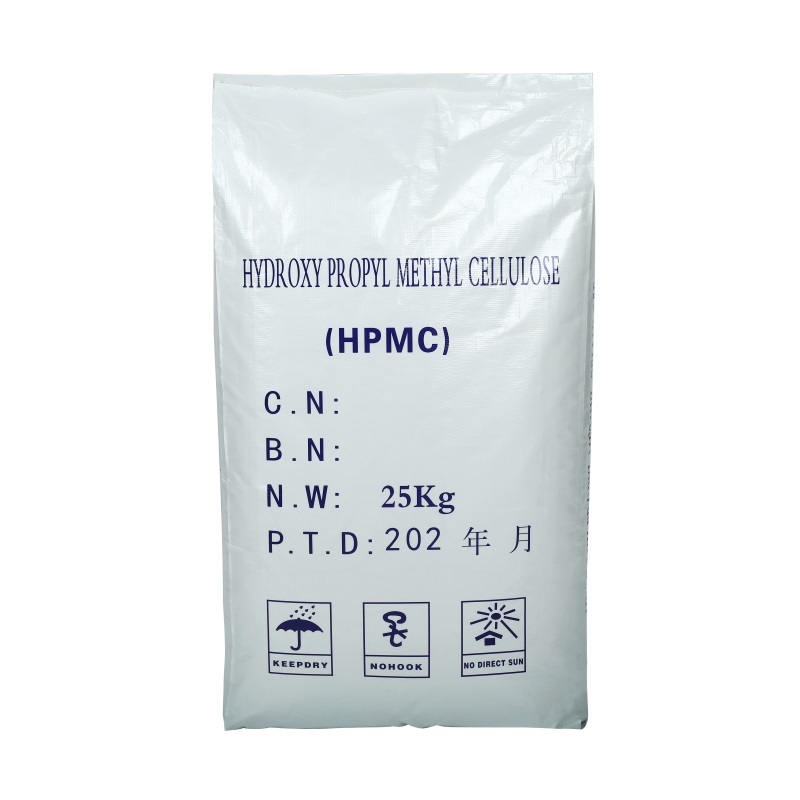
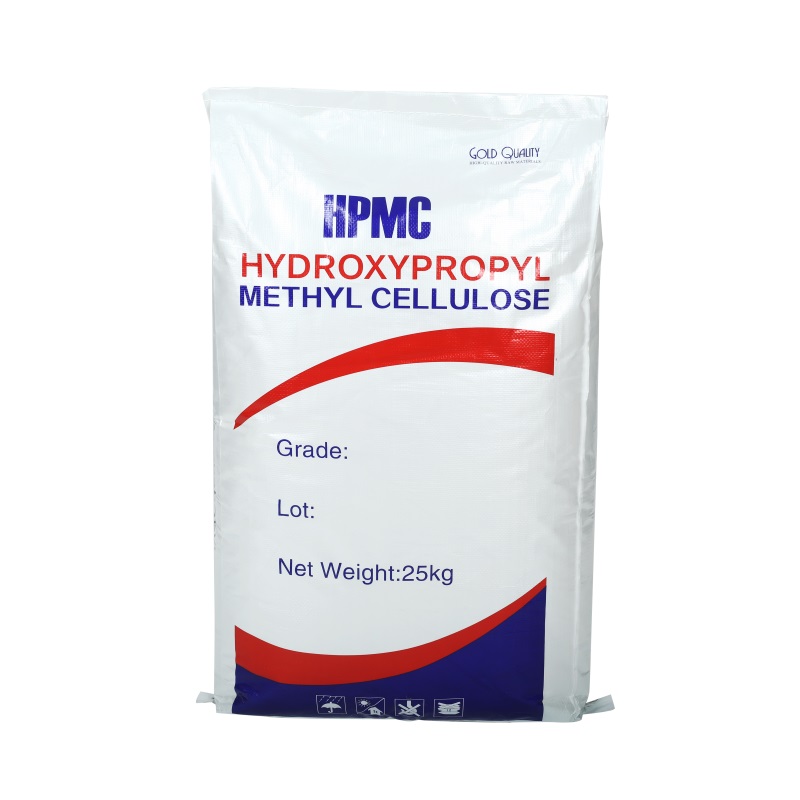
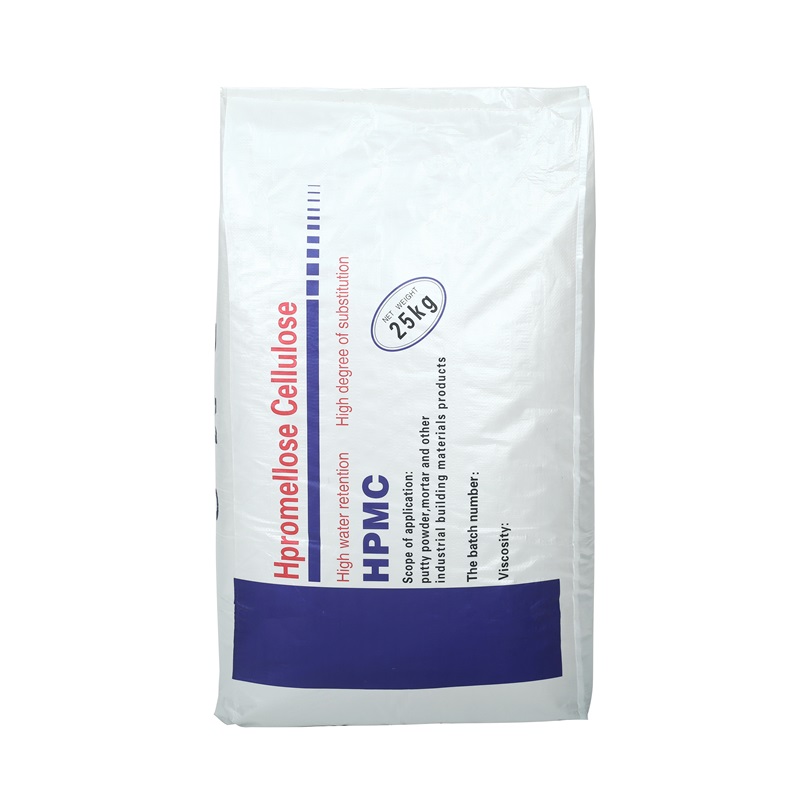
HPMC is typically supplied in:
25 kg paper bags with PE inner liner
25 kg woven bags with PE inner liner
500 kg or 1000 kg jumbo bags
Custom packaging available
Loading capacity:
20GP container: 13 tons without pallets, 11 tons with pallets
40GP container: 27 tons without pallets, 24 tons with pallets
Delivery time:
Within 7 days after advance payment
Typically 3 days for a 20GP container
Typically 5 days for a 40GP container
China is the world's largest producer of cellulose ether, including HPMC. Choosing a China cellulose ether manufacturer offers several advantages:
China's scale of production and integrated supply chain deliver competitive pricing without compromising quality.
Leading Chinese manufacturers operate multiple production lines with annual capacities in the tens of thousands of tons, ensuring stable supply.
Experienced manufacturers serve clients in dozens of countries and understand international standards, packaging, and logistics.
Many Chinese manufacturers employ technical teams that can provide formulation guidance and troubleshooting support.
Chinese manufacturers often offer custom specifications, packaging, and OEM service.
Reputable Chinese manufacturers maintain strict quality control, batch testing, and retained samples.
Q1: What is the recommended HPMC dosage in tile adhesive?
A: Typically 0.2% to 0.5% by weight of the dry mix, depending on the adhesive classification and performance requirements.
Q2: Can HPMC be used in both C1 and C2 tile adhesives?
A: Yes, HPMC is used in both. C2 adhesives generally require higher dosage and higher viscosity grades.
Q3: How does HPMC improve open time?
A: HPMC retains water in the adhesive, preventing the surface from drying and skinning, which extends open time.
Q4: How does HPMC improve anti-slip performance?
A: HPMC increases the yield stress of fresh adhesive, providing the cohesion needed to hold tiles in place on vertical surfaces.
Q5: What is the shelf life of HPMC?
A: Typically 12 to 24 months when stored properly in a cool, dry place.
Q6: Do you provide free samples?
A: Yes, free samples are available for evaluation.
Q7: Do you offer OEM service?
A: Yes, OEM service is available according to customer requirements.
Q8: What payment terms do you accept?
A: T/T, Western Union, and L/C at sight.
HPMC is a small but indispensable component of modern tile adhesive. It provides water retention, open time, anti-slip performance, bond strength, and workability. The right grade and dosage can transform a basic formulation into a high-performance C2TE adhesive that meets international standards.
When selecting an HPMC supplier, look for a China cellulose ether manufacturer with proven production capacity, strict quality control, technical support, and export experience. A reliable partner can help you optimize your formulation, reduce costs, and grow your business.
Contact us today to request a free sample of HPMC for tile adhesive.